Folklore Sparks Curiosity: The Tale of the Kensington Runestone
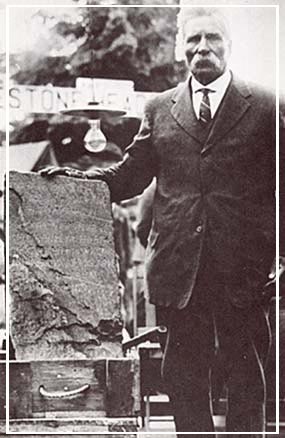
The story goes that in 1898, Olof Öhman was walking through his farm near Alexandria, Minnesota, when he came upon something entangled in aspen tree roots. Turns out, he had found an ancient artifact, circa 1362, now called the Kensington Runestone. However, since its finding, the Kensington Runestone has also stirred controversy, with many questioning its authenticity, especially as it would mean the Vikings had been in U.S. America well before others.
No matter whether the Runestone is authentic, it has had an important impact on many aspects in Minnesota, with its own museum in Alexandria and many other businesses using the Runestone or Viking as a symbol, including the National Football League’s Minnesota Vikings team.
As we know about folklore, though, it is often less about what’s “real” and factual and more about the lore, the story around the phenomenon. Whether the Runestone was created in the fourteenth century or the nineteenth, it remains an object that attracts speculation, stories, and, perhaps most importantly, curiosity and wonder.
What stories have you come across in your algorithm lately that made you stop and wonder or follow the rabbit hole to learn more? What has struck you as important or worth digging into, regardless of whether it can be proven?
Join us on Bluesky, Podpage, or other social media outlets for the ongoing conversation--or explore more with our podcast, Lexicons Unbound, where folklore meets your algorithm.
Image from the Kensington Runestone Museum website.
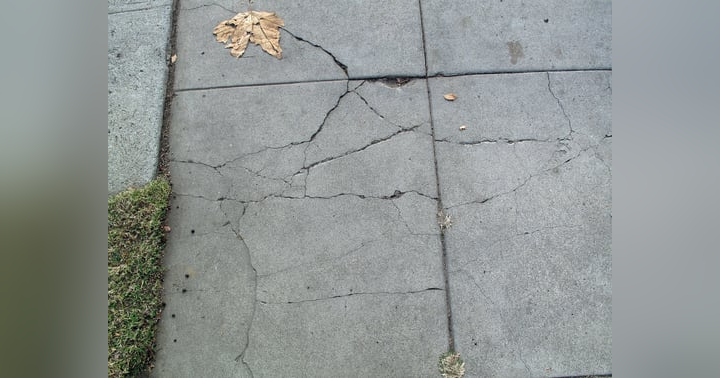
Stepping on Cracks: Folkloric Superstitions